
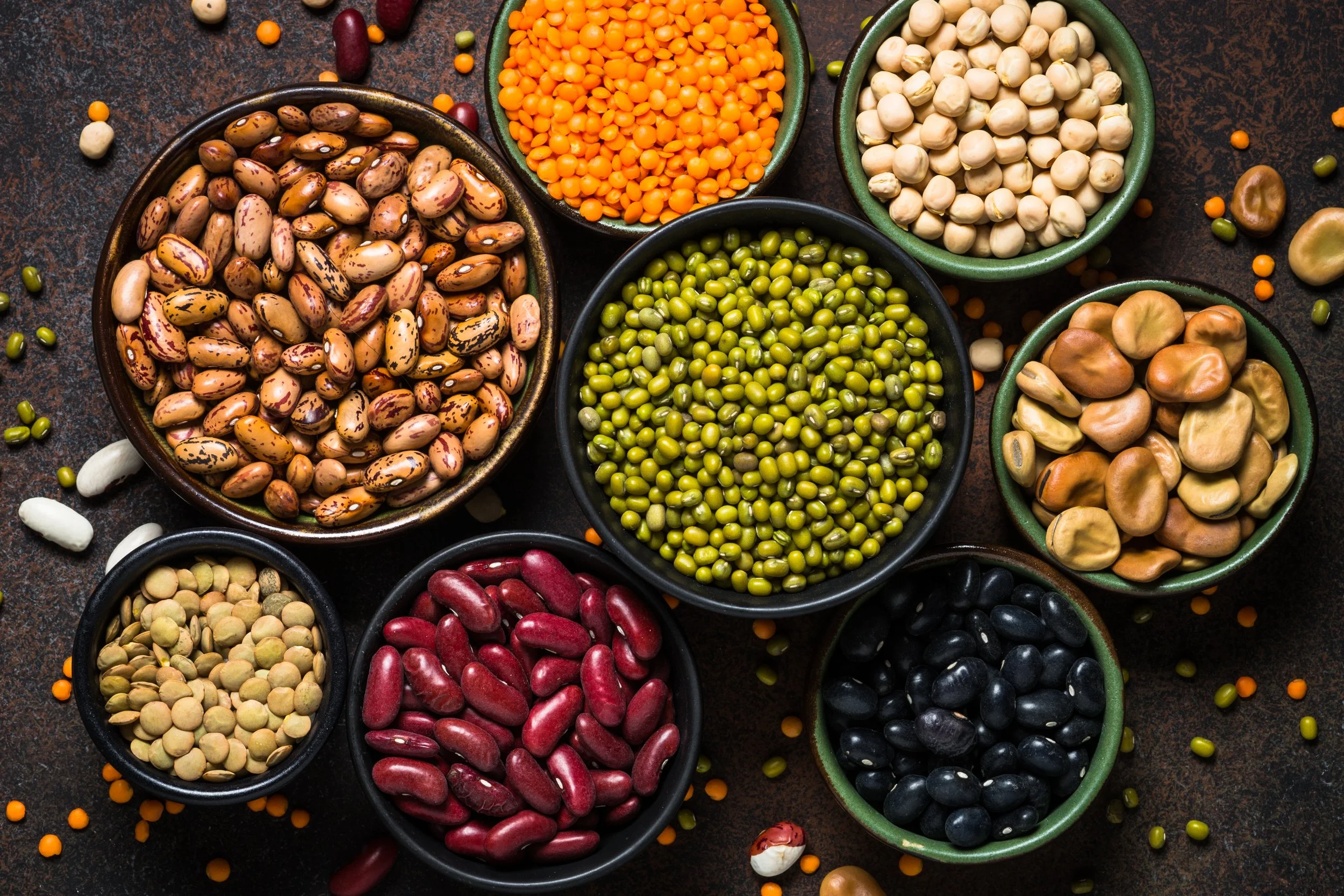
Why Beans?
Bringing plant-based meals into the mainstream.
Healthy Kids, Happy Planet’s! special focus on beautiful beans grew out of the USDA National School Lunch Program regulations, which require every school meal to offer five components.
Meat or meat-alternate (cheese, yogurt, egg, beans)
One serving of fruit
One serving of vegetable
One serving of 51% whole grain
Fluid cow’s milk (plant-based option available with parent note)
Why Beans Matter
Beans, including bean burgers, are the only allowable whole food, plant-based meat-alternate. Select vegetarian meat analogues are also approved.
HKHP believes most school food professionals would love to serve more bean-based meals, but their challenges are real. We are working to be part of the cultural shift needed to bring plant-based meals into the mainstream.
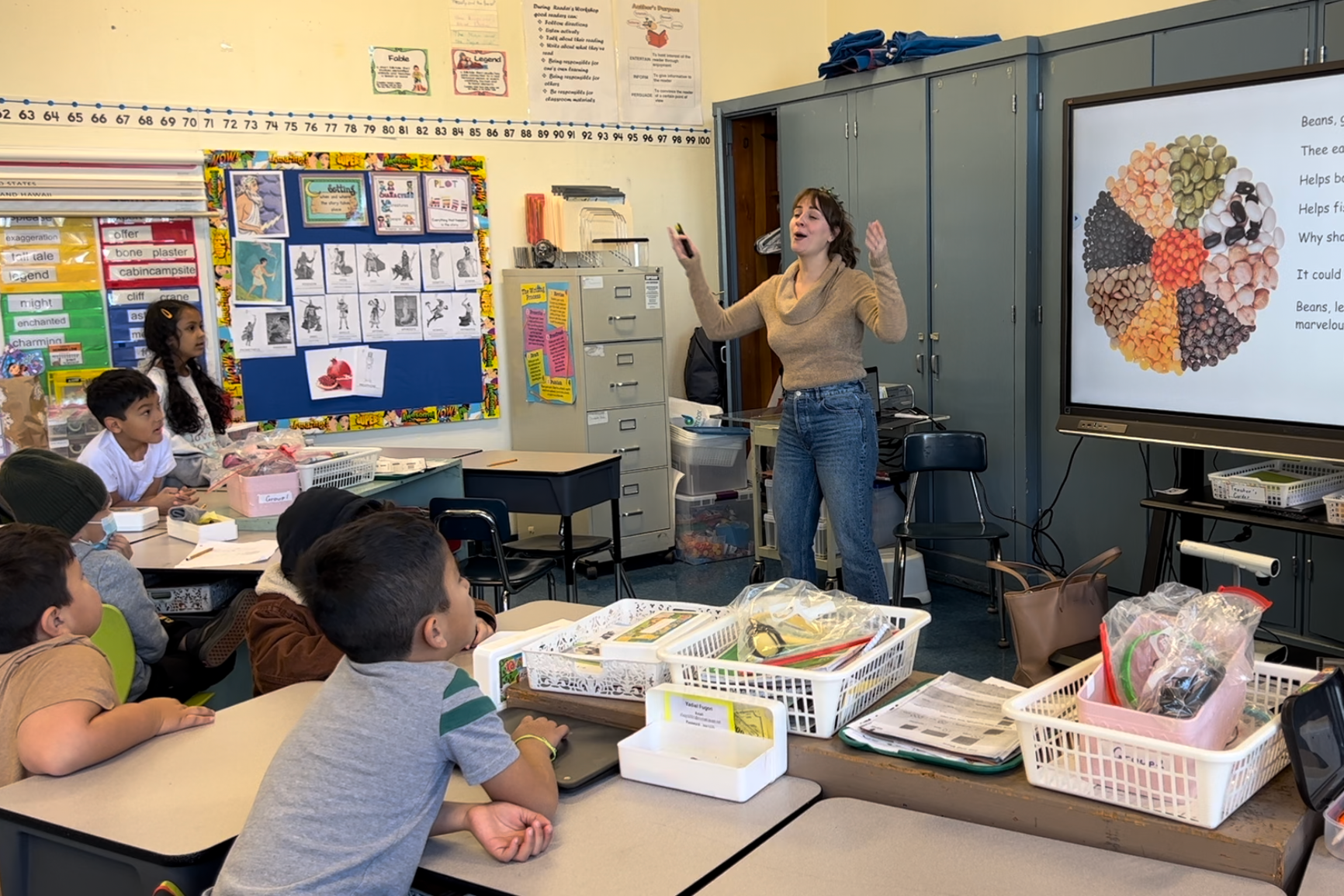
It begins with education, delivered to open hearts and fertile minds.
That’s why HKHP has created nutrition education programs and resources to support this holistic approach, while working with school food professionals to connect classroom nutrition education with cafeteria programs.

Bean Education Resources
Explore a collection of videos, articles, and resources that highlight the nutritional, environmental, and global importance of beans.
The EAT-Lancet Planetary Health Diet
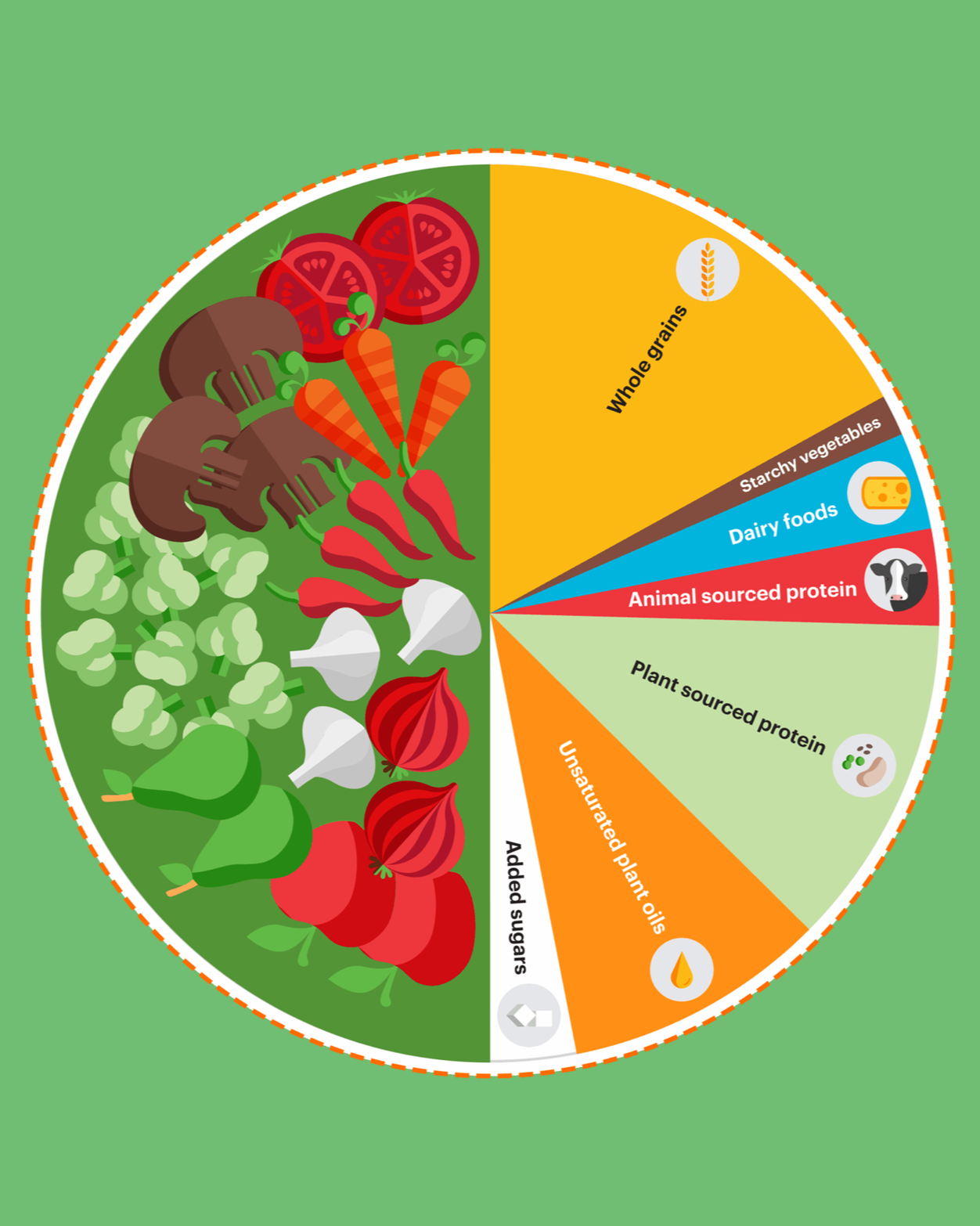
The EAT-Lancet Commission on Food, Planet, Health brought together 37 leading scientists from around the world to explore a critical question: Can we feed a future population of 10 billion people a healthy diet while staying within planetary boundaries?
Their conclusion: yes — but it will require a major shift in global eating habits. The report emphasizes a more plant-forward approach, with whole grains, fruits, vegetables, nuts, and legumes making up a greater portion of the foods we eat.
Explore the groundbreaking EAT-Lancet study and the 2025 report
Blue Zones & the Power of Beans
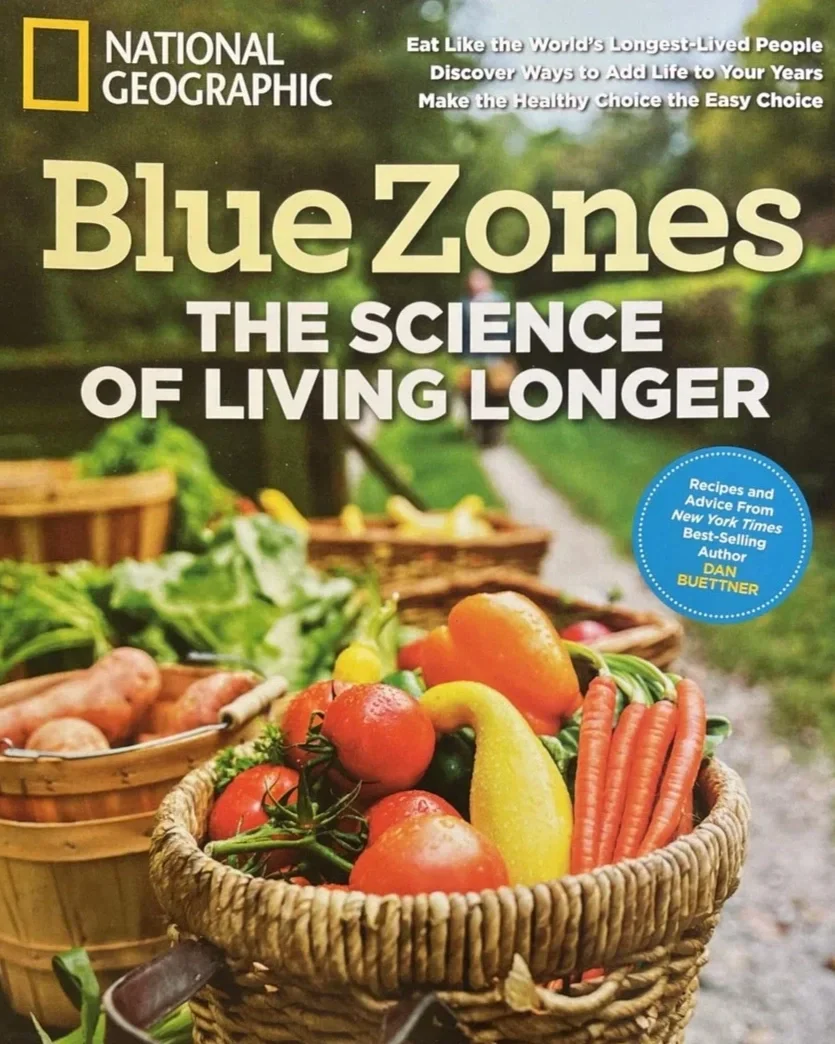
In partnership with National Geographic, longevity expert and author of the Blue Zones, Dan Buettner traveled the world to discover where people live the longest, healthiest lives. Across all five “Blue Zones,” researchers identified shared lifestyle habits — including one major nutrition pattern: beans as a primary protein source.
This simple yet powerful lesson is woven throughout HKHP’s education and outreach efforts, helping students connect everyday food choices with long-term health and well-being.
Explore more at BlueZones.com

Food Choices & Environmental Impact
According to one of the most comprehensive studies ever conducted on food and sustainability, avoiding meat and dairy products is one of the single biggest ways individuals can reduce their environmental impact. Researchers found that without global meat and dairy consumption, farmland use could be reduced by more than 75% — an area equivalent to the U.S., China, the European Union, and Australia combined — while still feeding the world.
Plant-Forward Foods & Sustainability
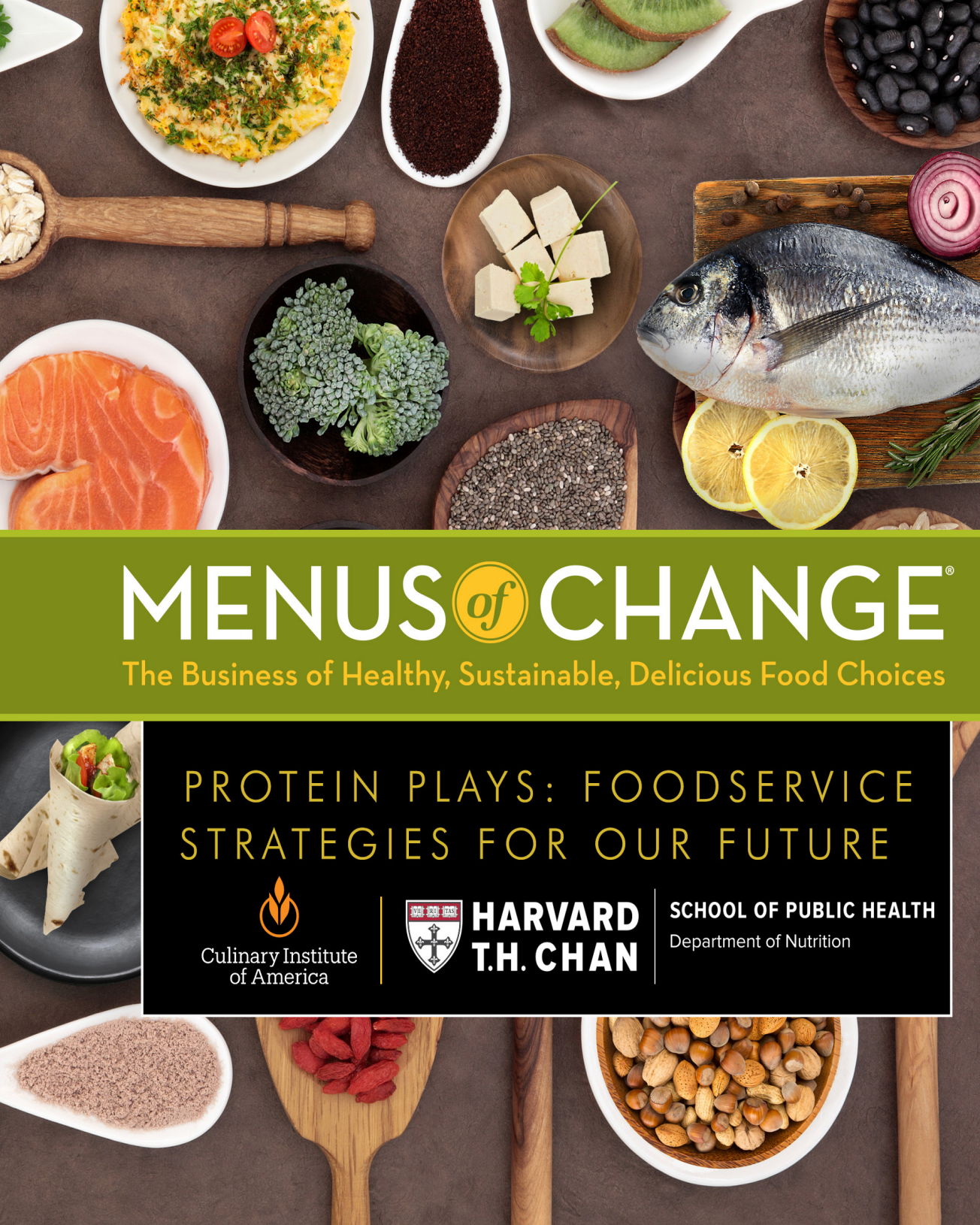
In this important document created through a partnership between the Harvard Chan School of Public Health and the Culinary Institute of America (CIA), the opening section, A Priority for Change, emphasizes that increasing healthy, plant-based foods — especially plant proteins — is one of the most important steps the food service industry can take toward environmental sustainability.
The report also highlights the connection between plant-forward eating, reduced chronic disease, and long-term food system and economic resilience.
International Year of the Pulses
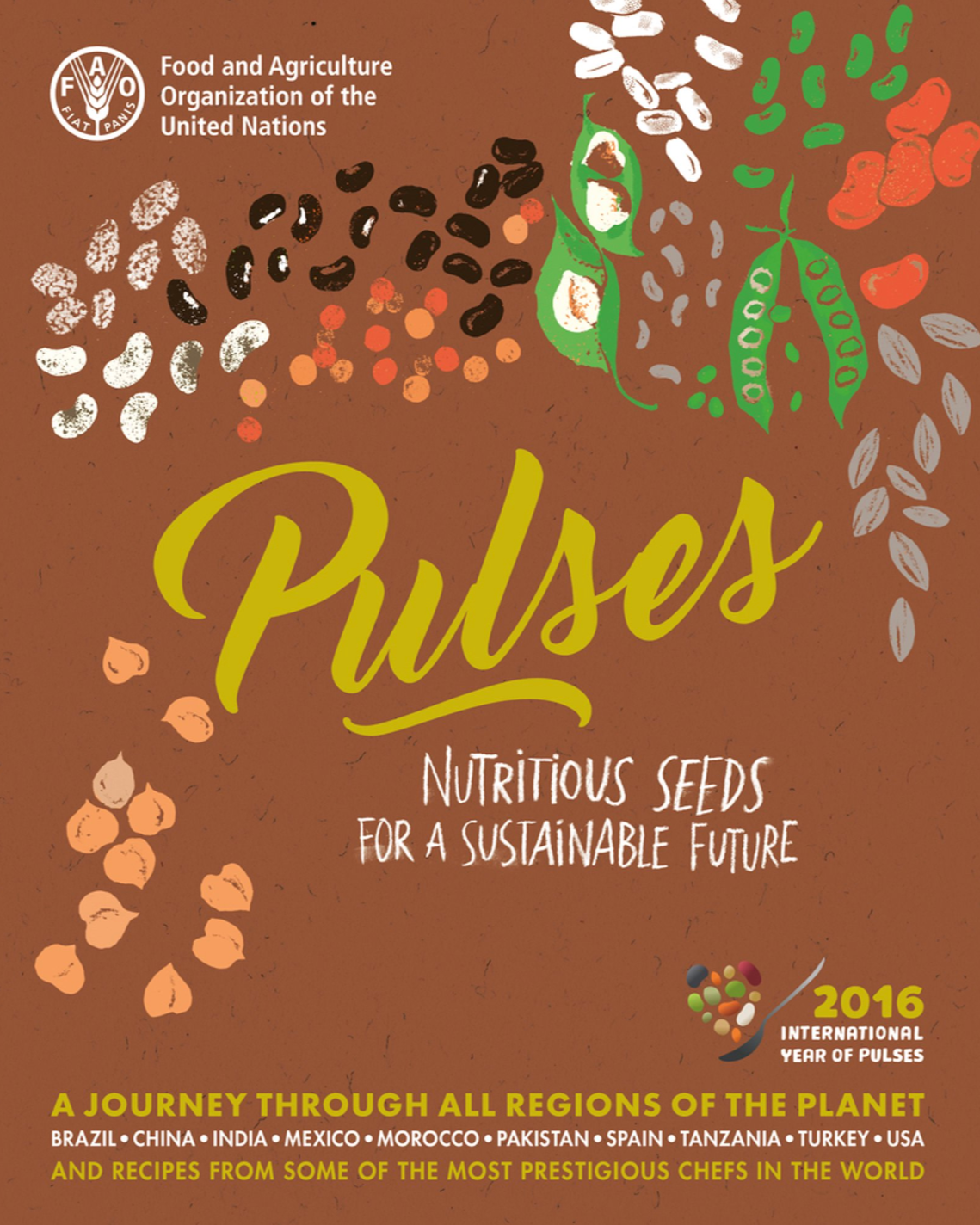
In 2016, nations around the world united behind the mission of Healthy Kids, Happy Planet! by supporting the United Nations’ International Year of the Pulses campaign. Pulses — including beans, lentils, and peas — were recognized globally as a delicious, nutritious, and sustainable solution to hunger, biodiversity loss, and climate change.
The campaign helped spotlight the important role beans can play in supporting both human and planetary health.
Watch the “Year of the Pulses” video

Beans, Beef & Climate Change
This article and companion video from The Atlantic explore how everyday food choices can play a powerful role in addressing climate change. One key takeaway: replacing beef with beans is one of the most impactful actions individuals can take to help reduce environmental strain and support a more sustainable future.